Salt & Gorse / How we work
How we storyboard commercial film shoots
From the first frames to the shoot day.
A storyboard is where a film starts to become real.
Before the cameras, locations, lighting and crew come together, it gives everyone a shared view of what we are making. The shots, the movement, the rhythm and how one moment connects to the next.
At Salt & Gorse, we use storyboards throughout pre-production on commercials, campaign films and creative productions. Not as something that gets made for a deck and forgotten, but as a working part of the production.
01 / Starting with the idea
Every project begins differently
Sometimes there is a finished agency script. Sometimes a treatment and a strong creative direction. Sometimes we are developing the idea with the client from the beginning.
Before getting too technical, we are looking for the visual language of the film. How should it feel? How should the camera move? What should we see and, just as importantly, what do we not need to see?
That thinking starts with references, conversations and rough ideas before becoming something more structured.
02 / Finding the frames
Building the film shot by shot
Once the direction is clear, we start building the film shot by shot. That might mean drawing frames, pulling visual references, photographing locations, creating rough compositions or combining all of them.
At this stage we are not trying to make a collection of beautiful images. We are working out how the film actually tells its story.
A storyboard lets us look at the sequence as a whole.
- Does the opening frame do enough?
- Are we repeating ourselves?
- Do we need to be wide here, or would it be better to stay close?
- Where does the camera move, and where should we cut?
It is much easier to answer those questions before twenty people are standing on a set waiting for the next shot.
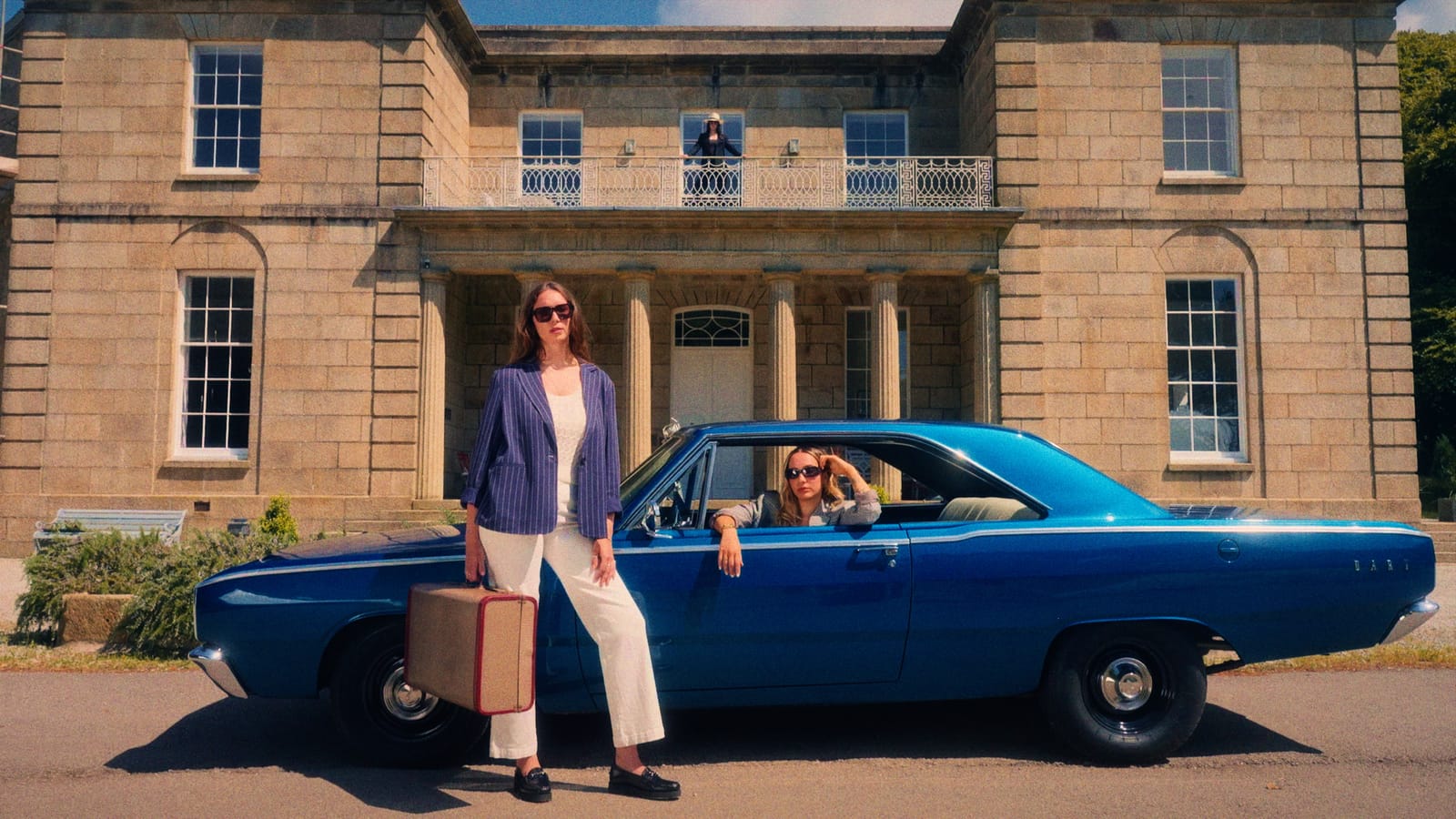
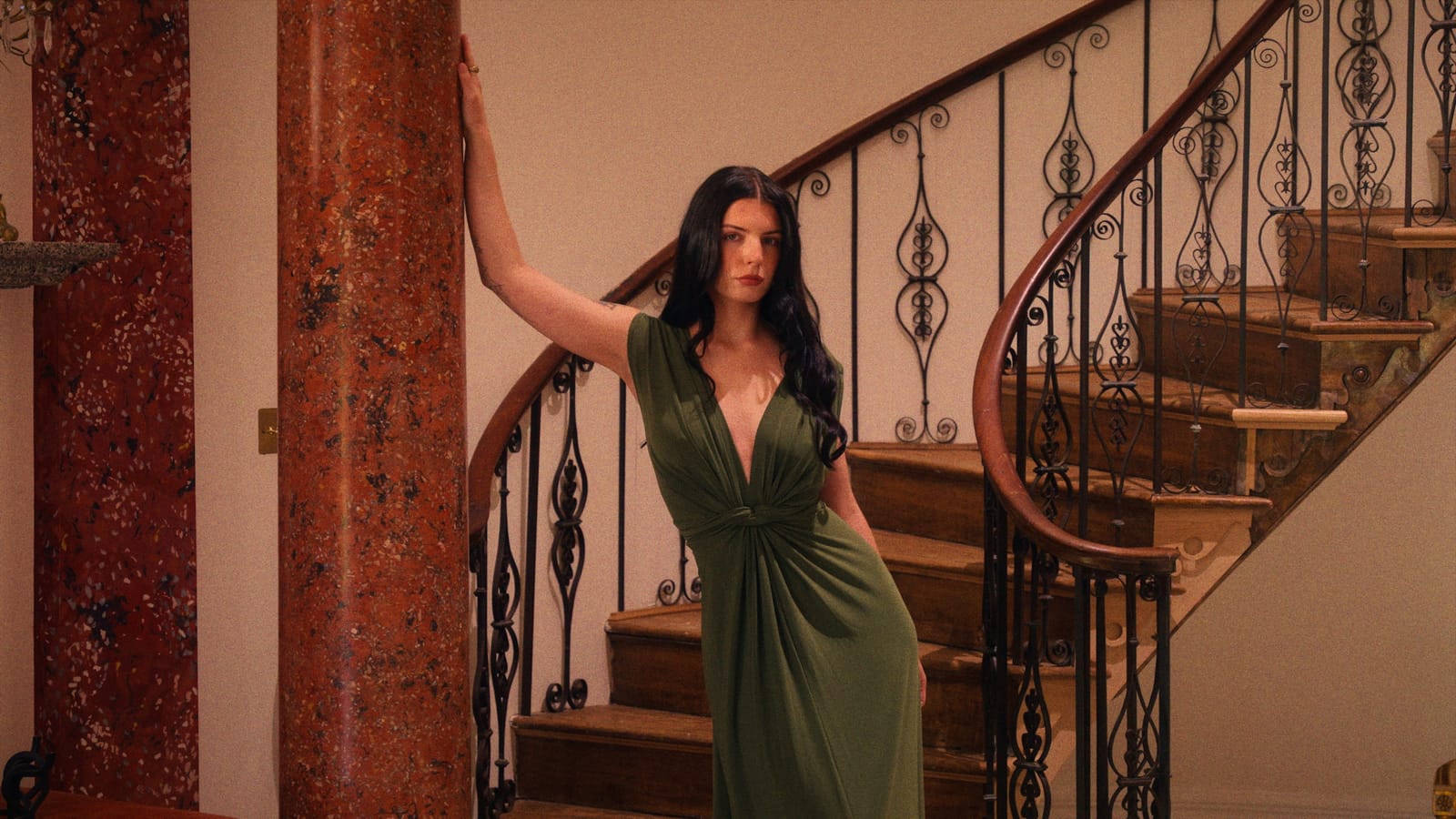
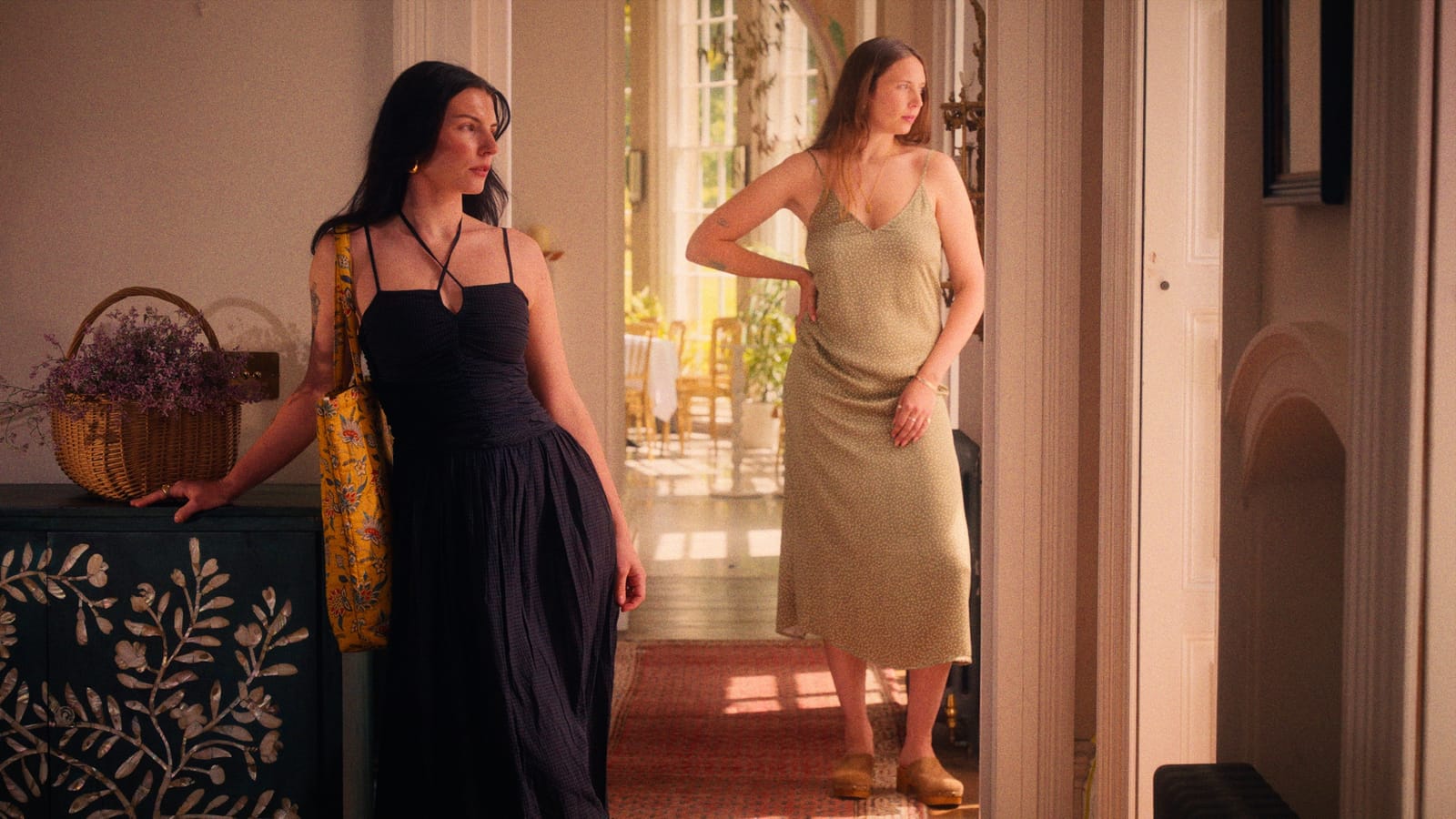


A sequence read left to right, the way the film will be watched.
03 / Revision
Storyboards are there to be changed
The first board is rarely the final board. Locations change. Casting changes things. A recce gives us a better idea. The client has a thought. A shot becomes unnecessary, or someone finds a much better way of doing it.
That is part of the process.
We share boards during pre-production so the director, producer, client and agency can look at the same sequence and discuss specific frames. Rather than feedback disappearing into email chains or separate PDFs, everyone can see what is changing and why.
By the time we reach the shoot, we are not discovering the film for the first time. We have a plan.
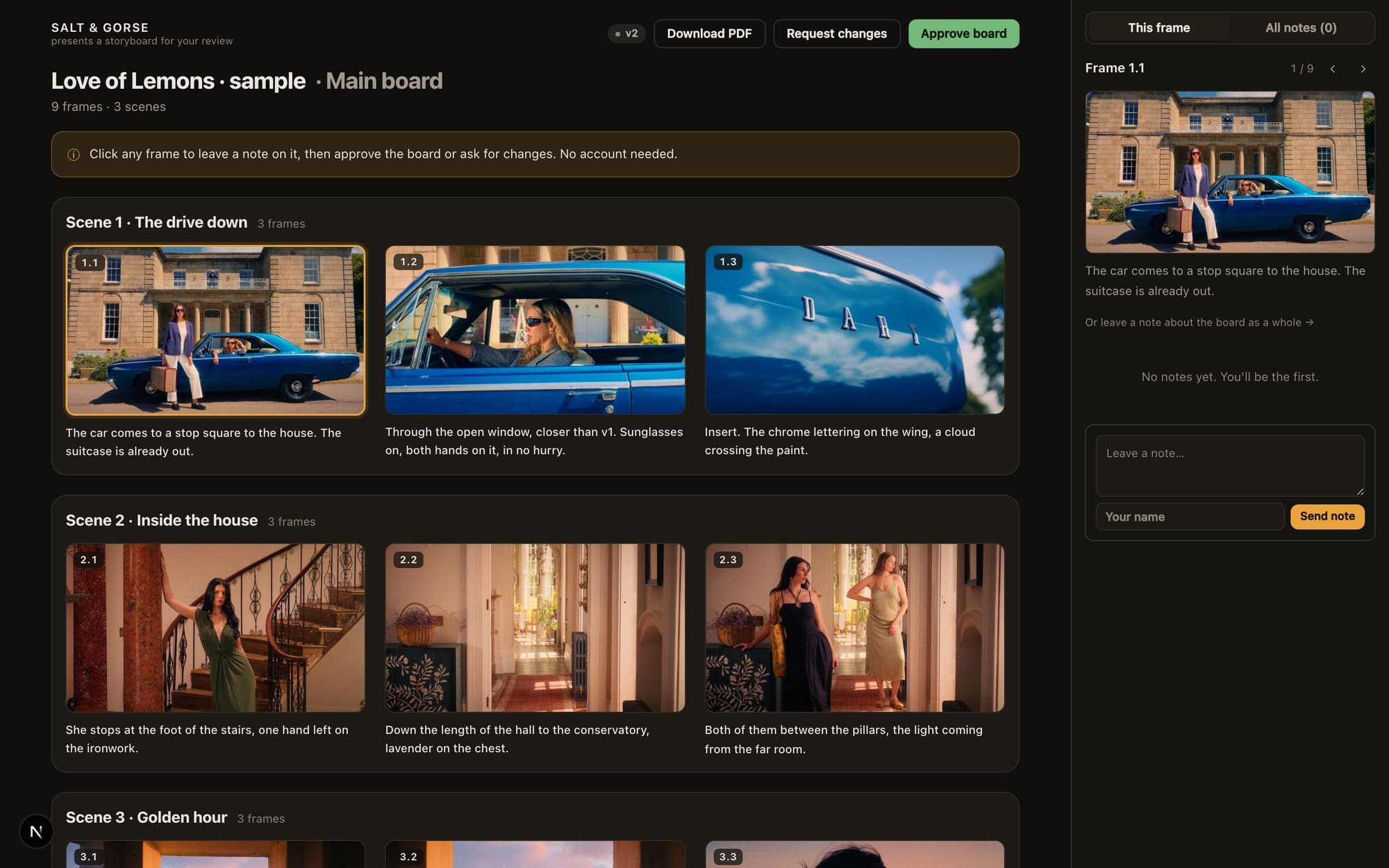
The same board, shared for review. Notes land on the frame they are about.
04 / From storyboard to shot list
The board starts becoming practical
As production gets closer, a sequence of images turns into the shots we actually need to make.
- Scenes
- Setups
- Lens ideas
- Camera movement
- Locations
- Talent
- Timing
- Production notes
This is where the storyboard stops being purely a creative document and starts becoming part of how we organise the day.
A complicated commercial might involve multiple locations and dozens of setups. A smaller film might only need a handful. Either way, the important thing is knowing what we need and why we need it.
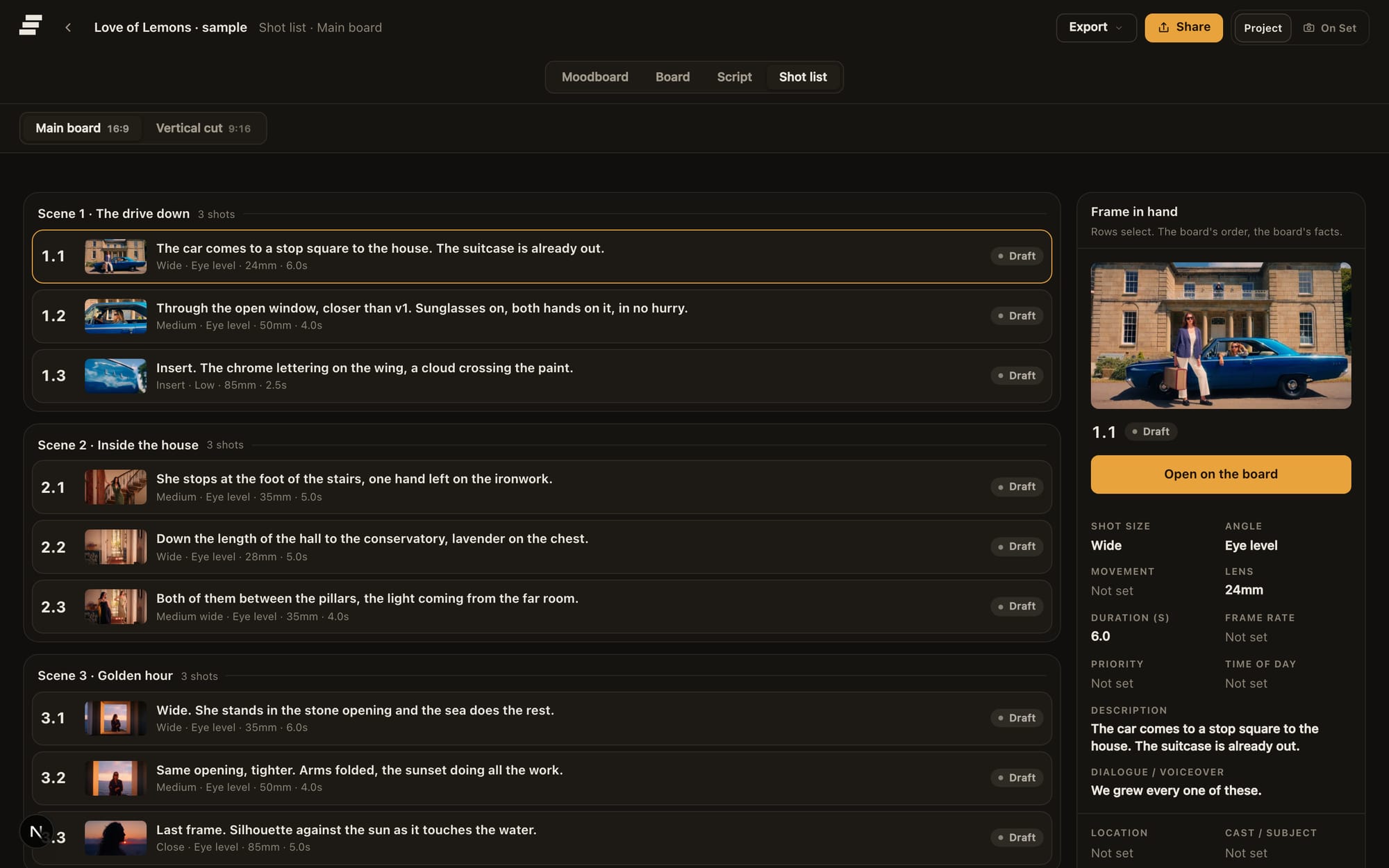
The shot list is the board read a different way, so the two can never drift apart.
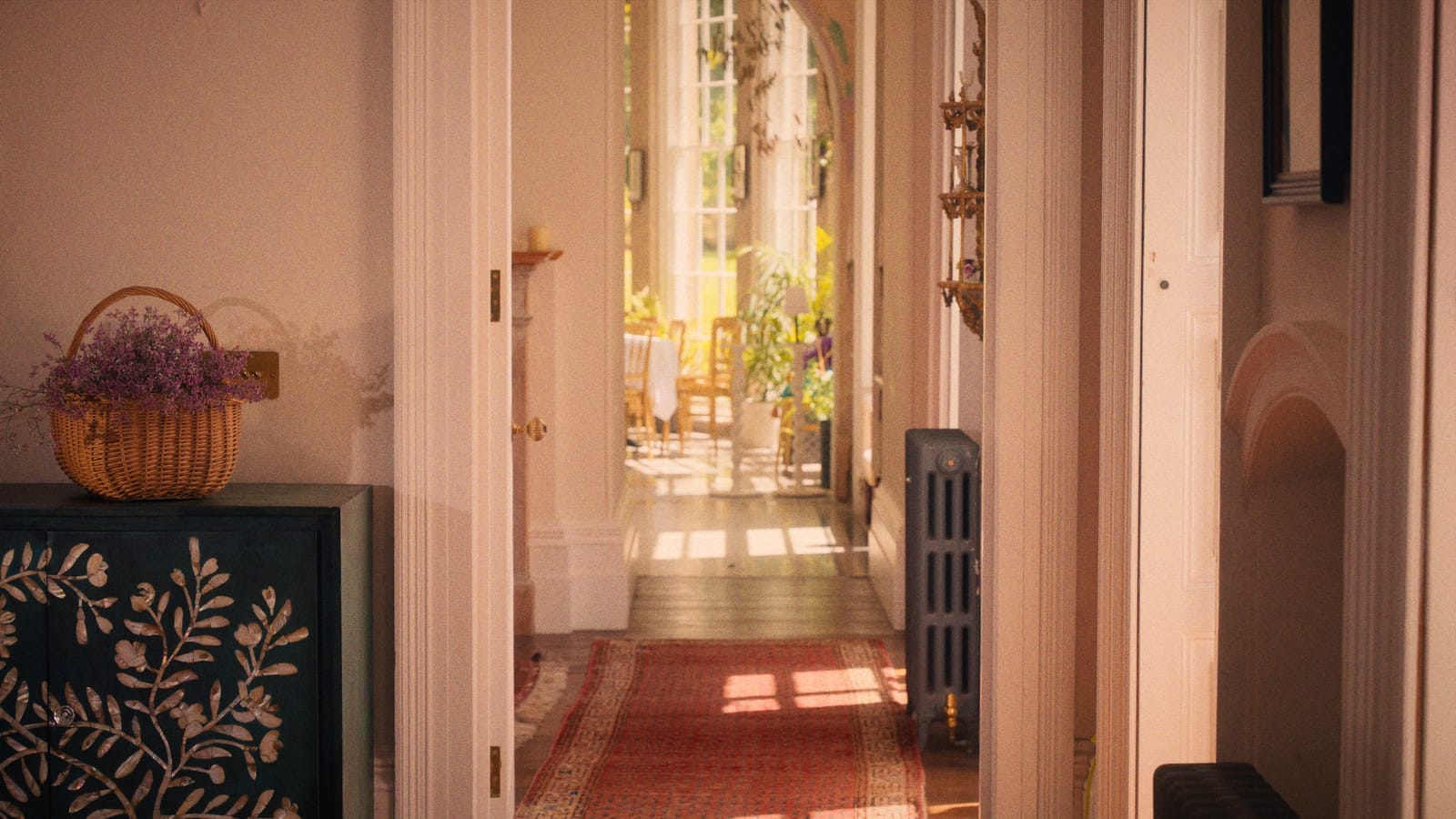
05 / Taking the board onto set
So we built something better
For years, our storyboards would eventually end up as a PDF, presentation or spreadsheet. They worked brilliantly during pre-production, then became surprisingly awkward once we actually started shooting.
Someone had the latest PDF. Someone else had an older version. The shot list lived in a spreadsheet. Notes were somewhere else. By lunchtime, we had changed the order anyway.
Storybrdr is storyboard and shoot-day software for filmmakers. We originally started building it because we wanted the same board we had created during pre-production to come with us onto set.
We can build the storyboard, share it for notes and approval, then use that same project to organise the shoot. No rebuilding the shot list in another spreadsheet. No exporting another version because three frames changed.
The board becomes part of the day.
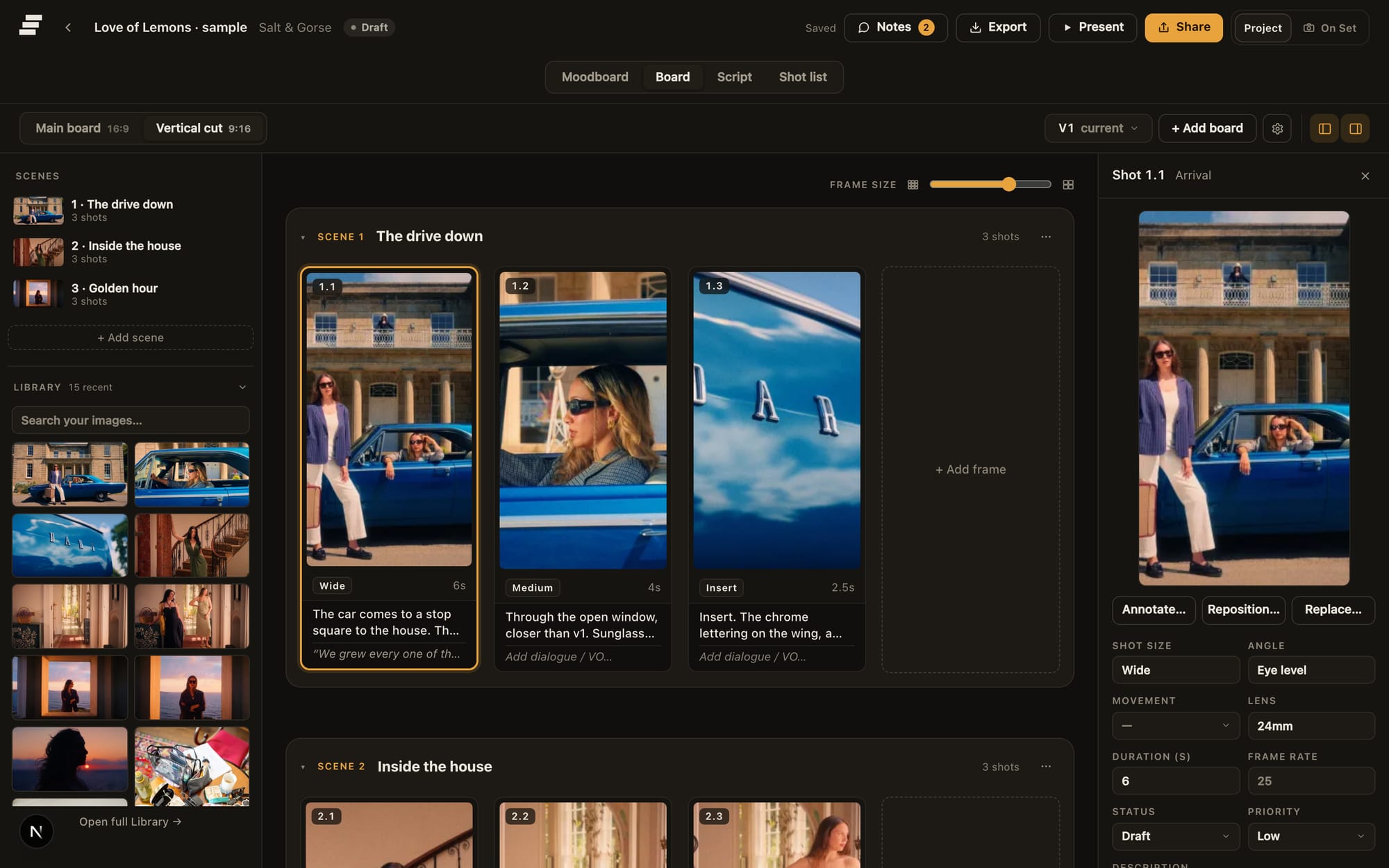
One of our own boards, built in Storybrdr.
06 / On the shoot
A plan you can move away from
A storyboard should not stop you responding to what is happening in front of the camera. Quite the opposite. Once everyone understands the plan, there is more room to move away from it.
We can reorder setups around the light, change a frame because the location gives us something better, add something unexpected or lose a shot we realise we do not need.
The board gives the crew a shared starting point. As we work through the day, we can see what we have shot, make notes against setups, keep track of takes and circle the ones we want to come back to.
The storyboard that helped us plan the film becomes a record of what we actually made.
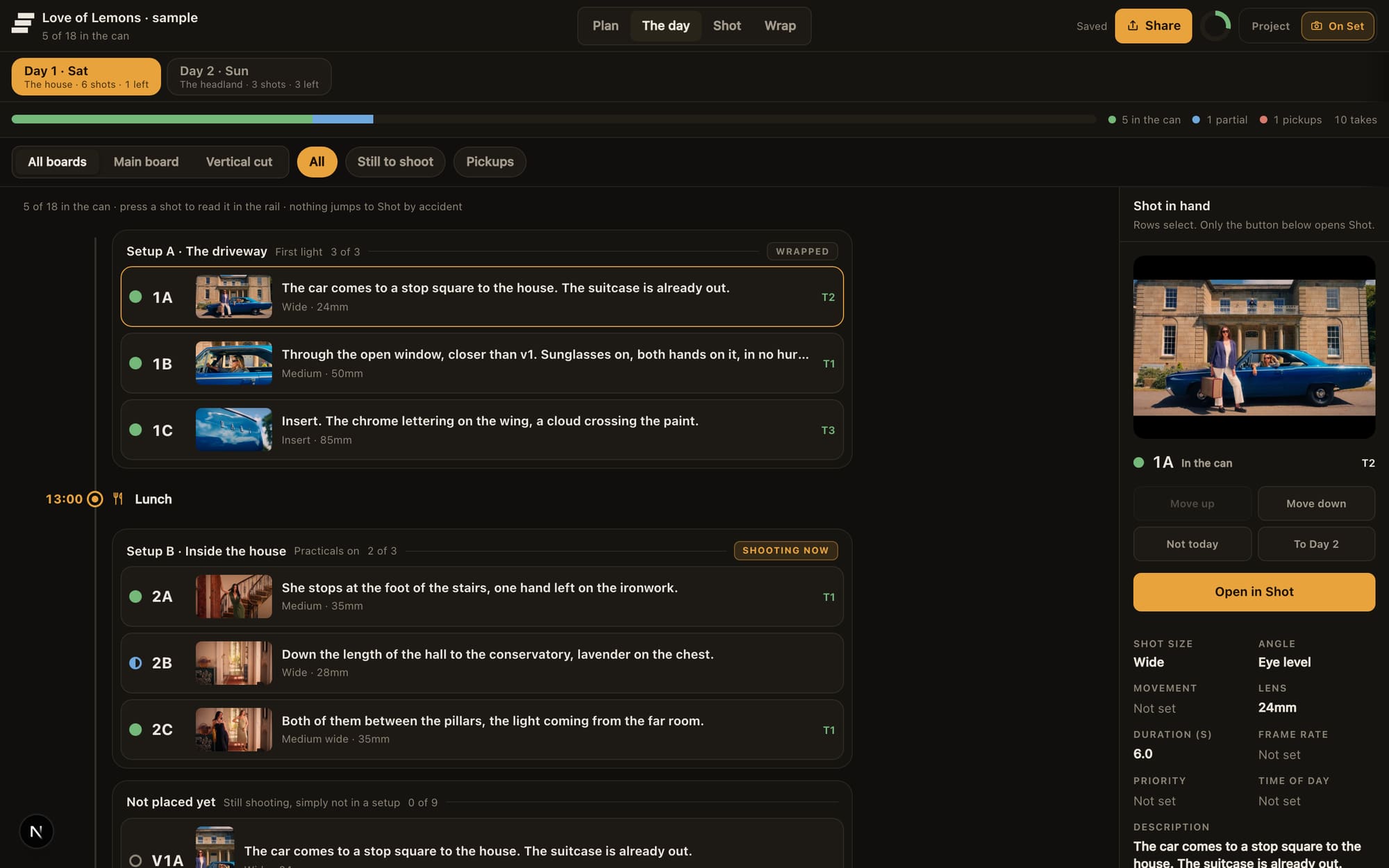
The day, as it actually ran. Setups in order, takes recorded, shots marked off as they go in the can.
07 / The finished film
What we ended up with

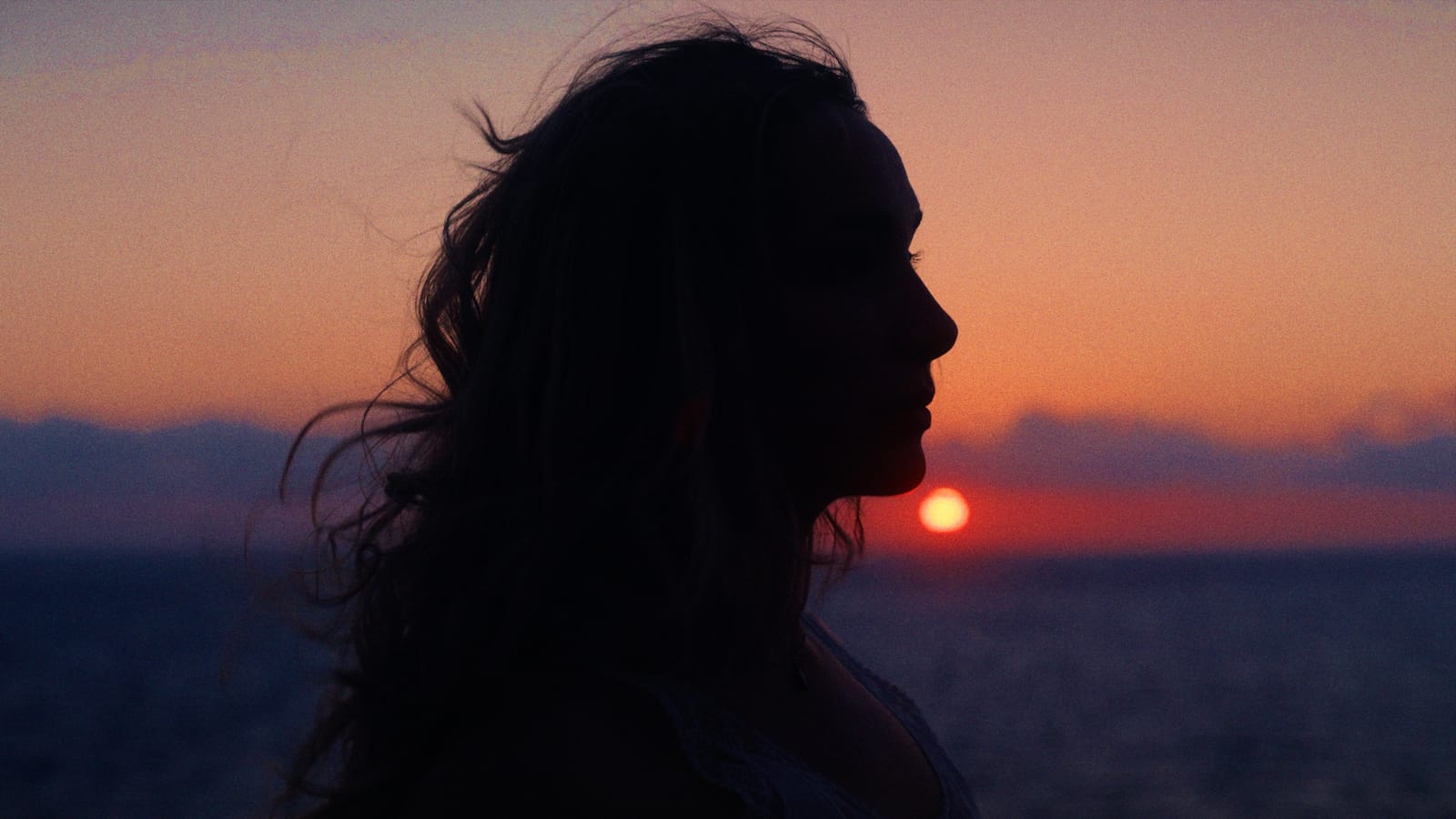
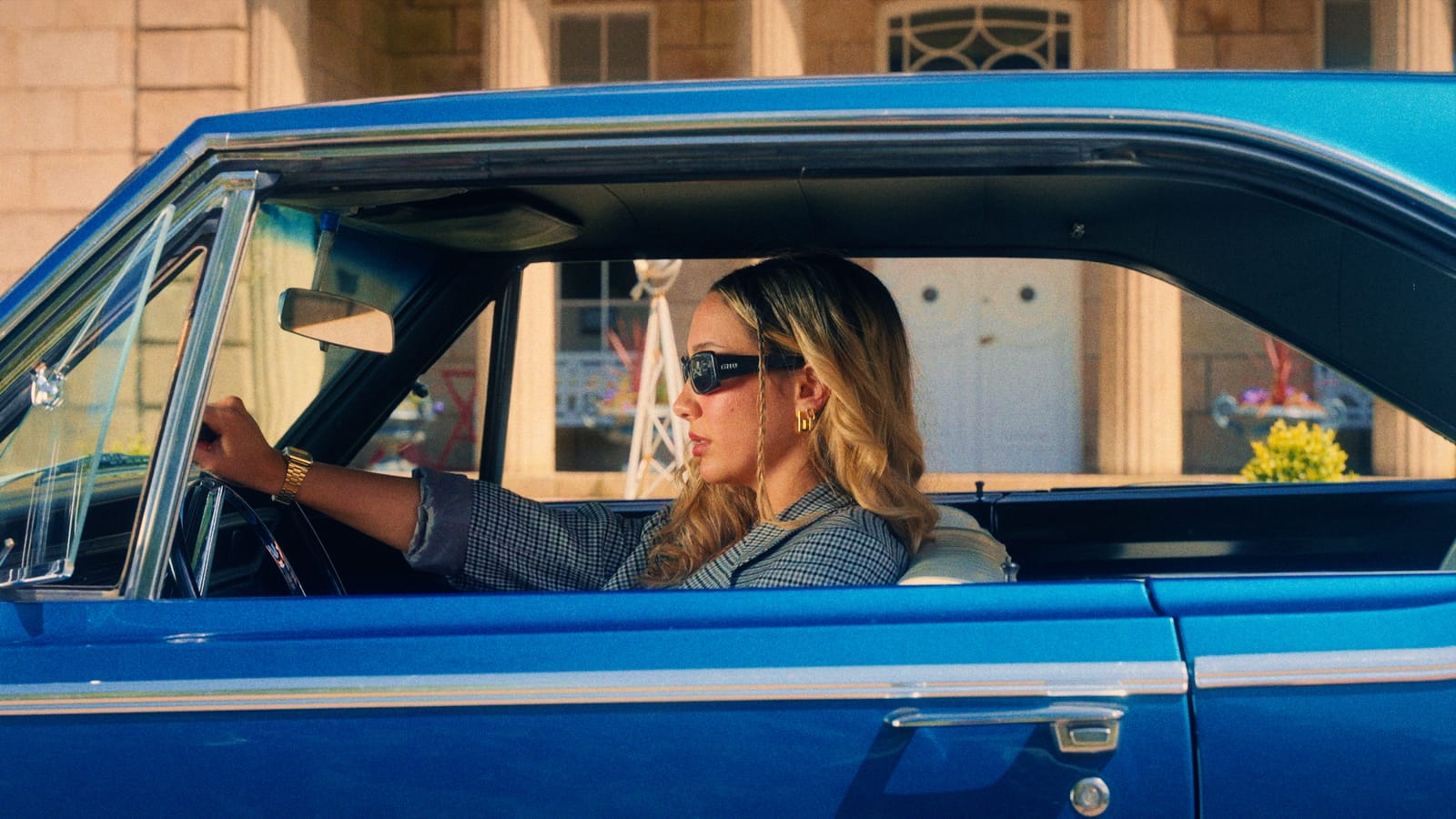
None of these are exact recreations of the frames we planned. Sometimes a shot comes back remarkably close to the board. Sometimes the location, the performance, the weather or a decision on the day takes it somewhere better.
The important thing is that everyone arrived knowing what we were trying to make.
08 / In practice
A plan that survives contact with the shoot
Good pre-production is not about removing spontaneity. It is about giving it somewhere to happen.
The storyboard gives the director, producer, crew, agency and client a common language before the shoot begins. Taking that same thinking onto set means the creative plan does not disappear the moment production starts.
That has become a big part of how we work at Salt & Gorse. We plan the film visually. We share it. Then we take it with us when we shoot it.
For filmmakers
We built Storybrdr to bring storyboards, client feedback and the shoot day into the same workflow.